


Work
Work in Japan, for brands from elsewhere.
Projects where a global brand needed to land in Japan — and needed one team to connect direction, creative, production and what happened on the day.
Scope is stated per project. Where a partner led part of the work, we say so.
RITUALS — The Ritual of Sakura
The situation
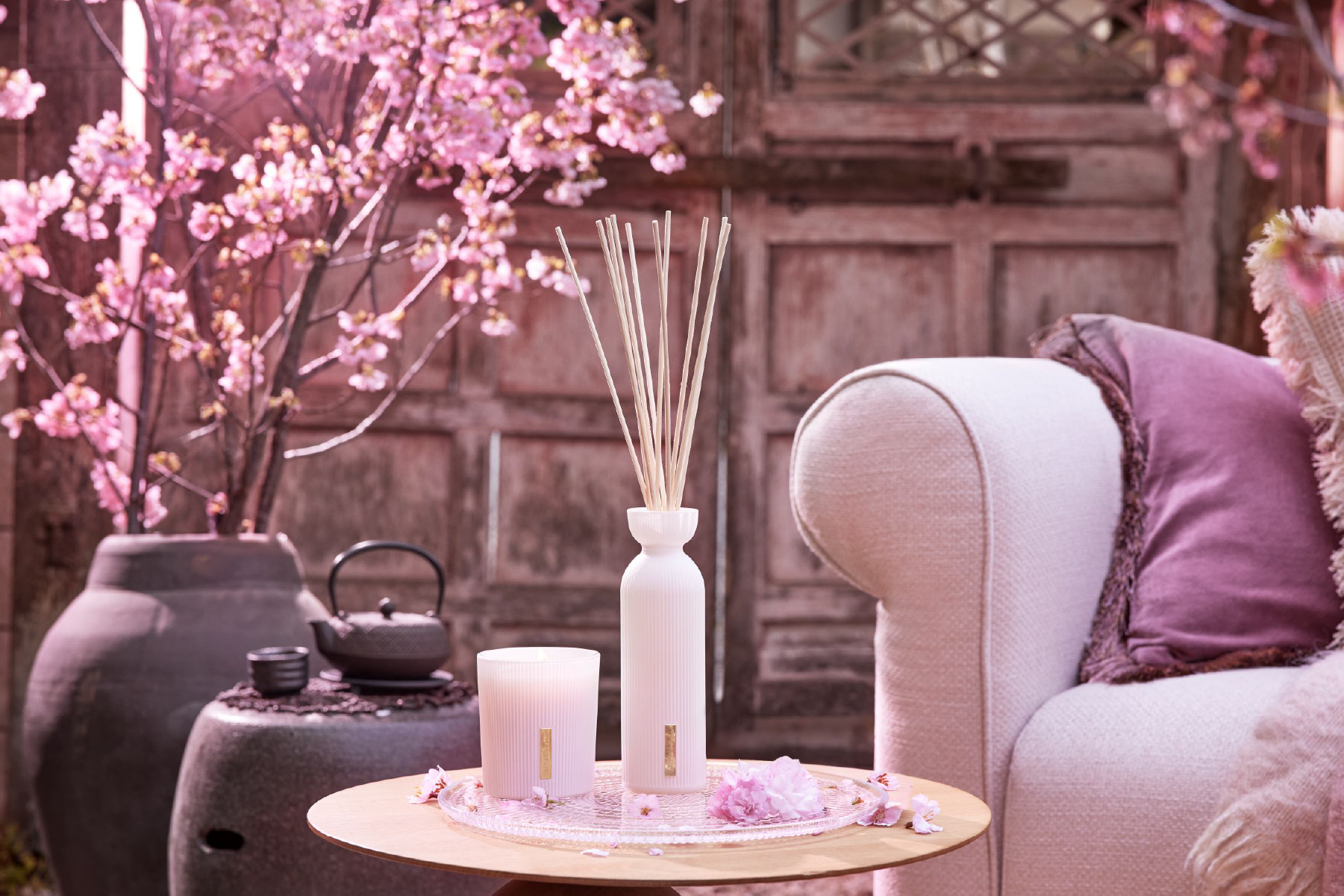
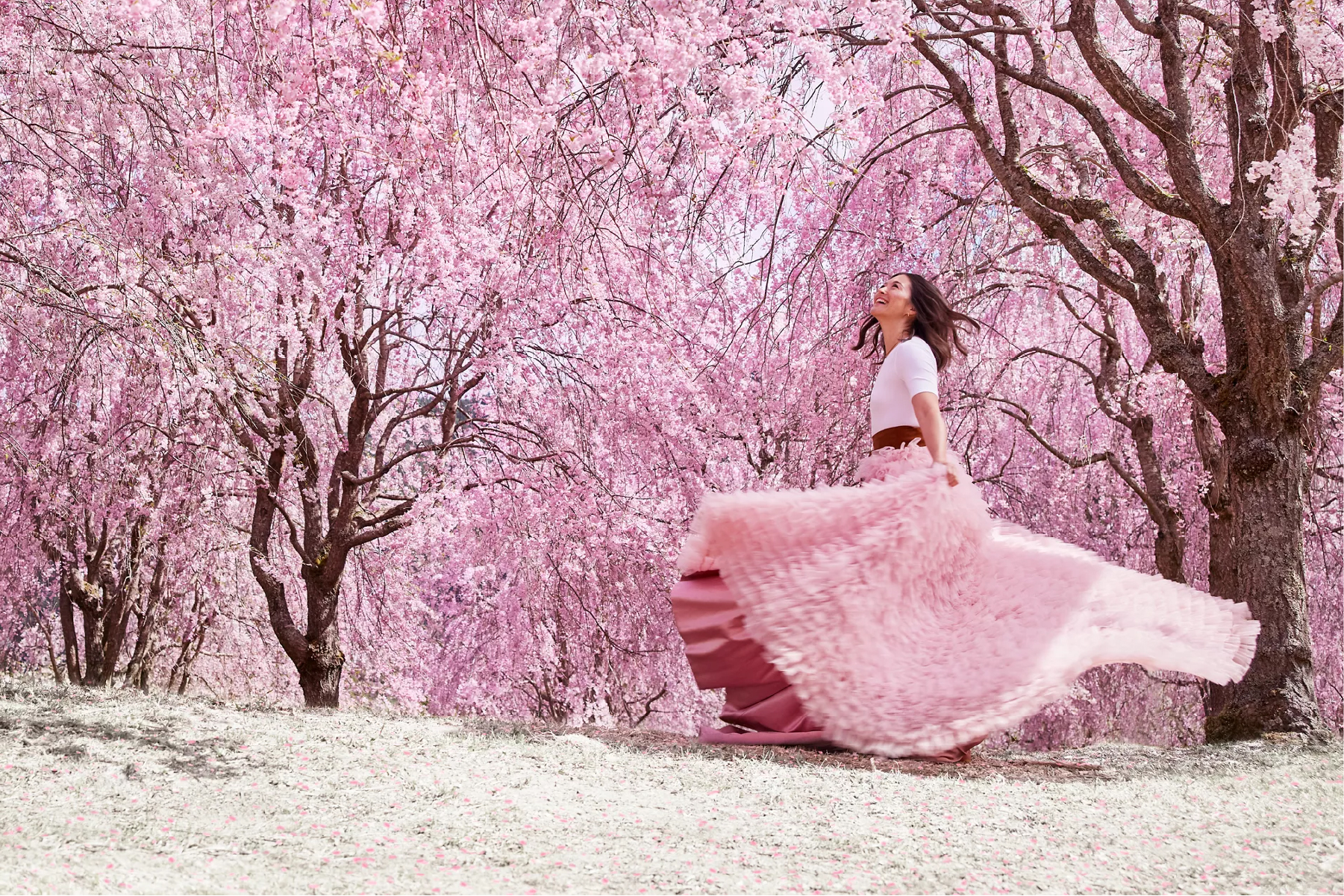
A European cosmetics brand launching its bestselling Sakura line globally. Cherry blossom is one of the most photographed subjects in Japan and one of the easiest to render as a cliché.
Our role
Art direction and visual production for the global launch. A shooting journey following the blossom front as it moved across Japan, with sets built from antique Japanese furniture and locally made craft pieces.
Why it was built this way
A global campaign photographed in Japan is judged twice — once by the world, and once by Japanese customers who know what the reference is supposed to look like. The set had to hold up to the second audience.
MAISON de SABRÉ — The Sensory Atelier
The situation
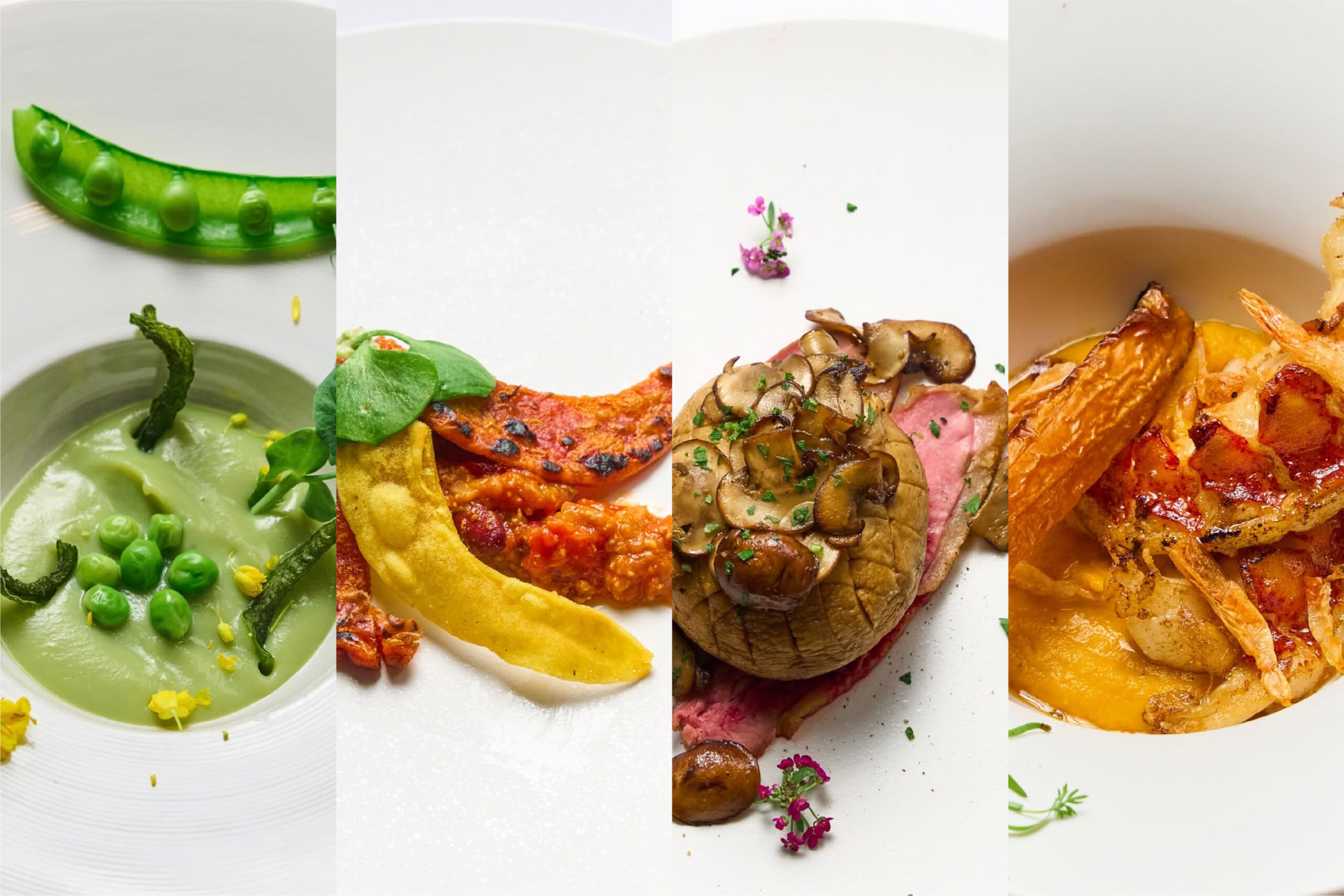
A leather goods brand launching a limited vegetable-motif charm collection. The vehicle was an invitation-only gastronomic installation built around a four-course menu.
Our role
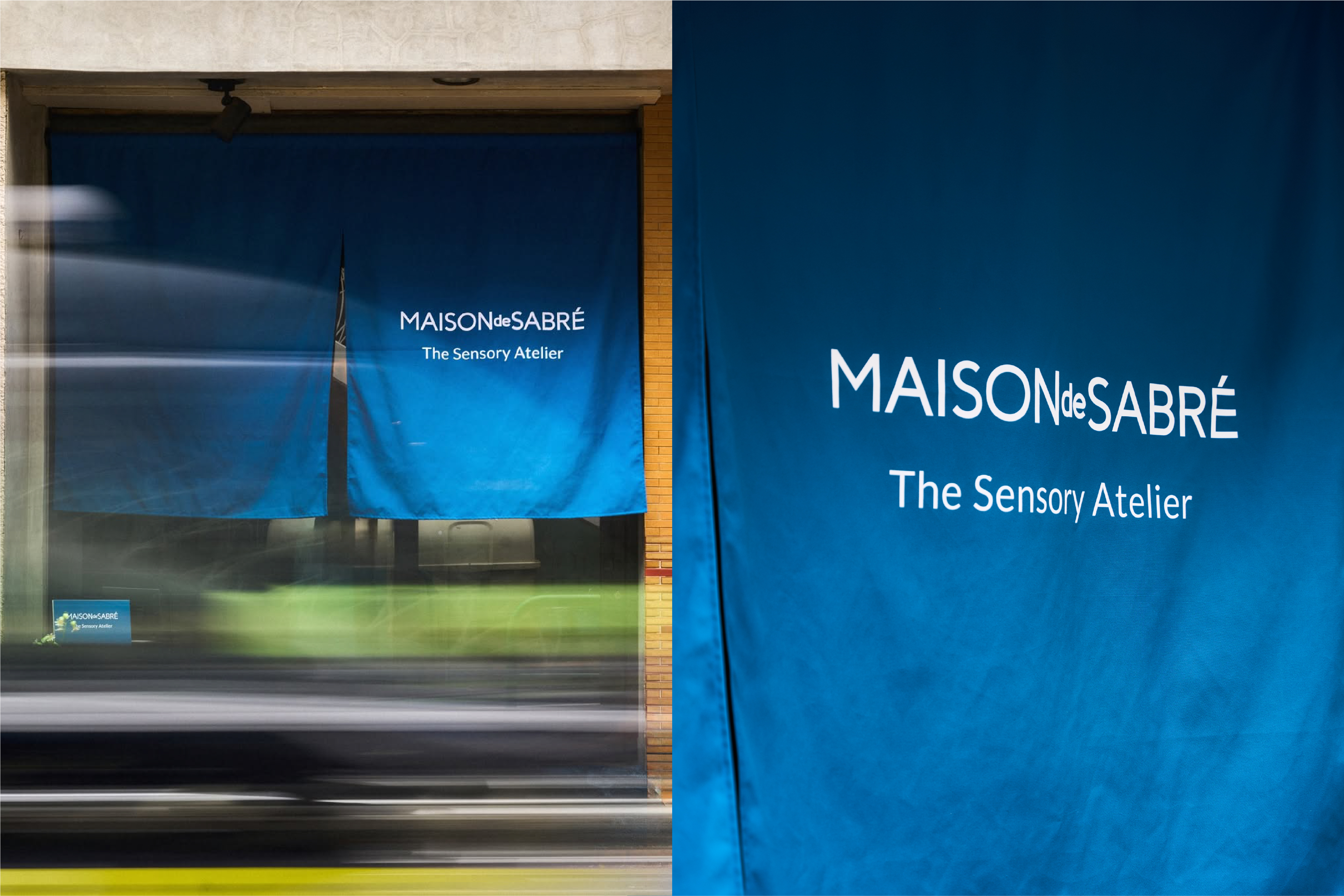
The brief was spatial and set design. What the evening actually required was one connected system: venue concept and set, signage, menu design, staff uniforms, and plating direction.
Why it was built this way
Guests do not experience a menu, a uniform and a room as separate objects. They experience one impression. If the paper stock disagrees with the tableware, nobody names the problem — they just feel that something is scattered.
QANTAS — Feels Like Home

The situation
An airline campaign shot on 8mm film, telling the story of a mother and son reuniting after four years apart.
Our role
Set design and props for the domestic interiors. The rooms had to read as a home someone had actually lived in for years, not a set dressed to look lived-in.
Why it was built this way
The emotional weight of the film rested on believability. On 8mm, texture and wear carry more than composition — so the work was in the objects, not the styling.
TikTok — Climate Change Talk Event
The situation
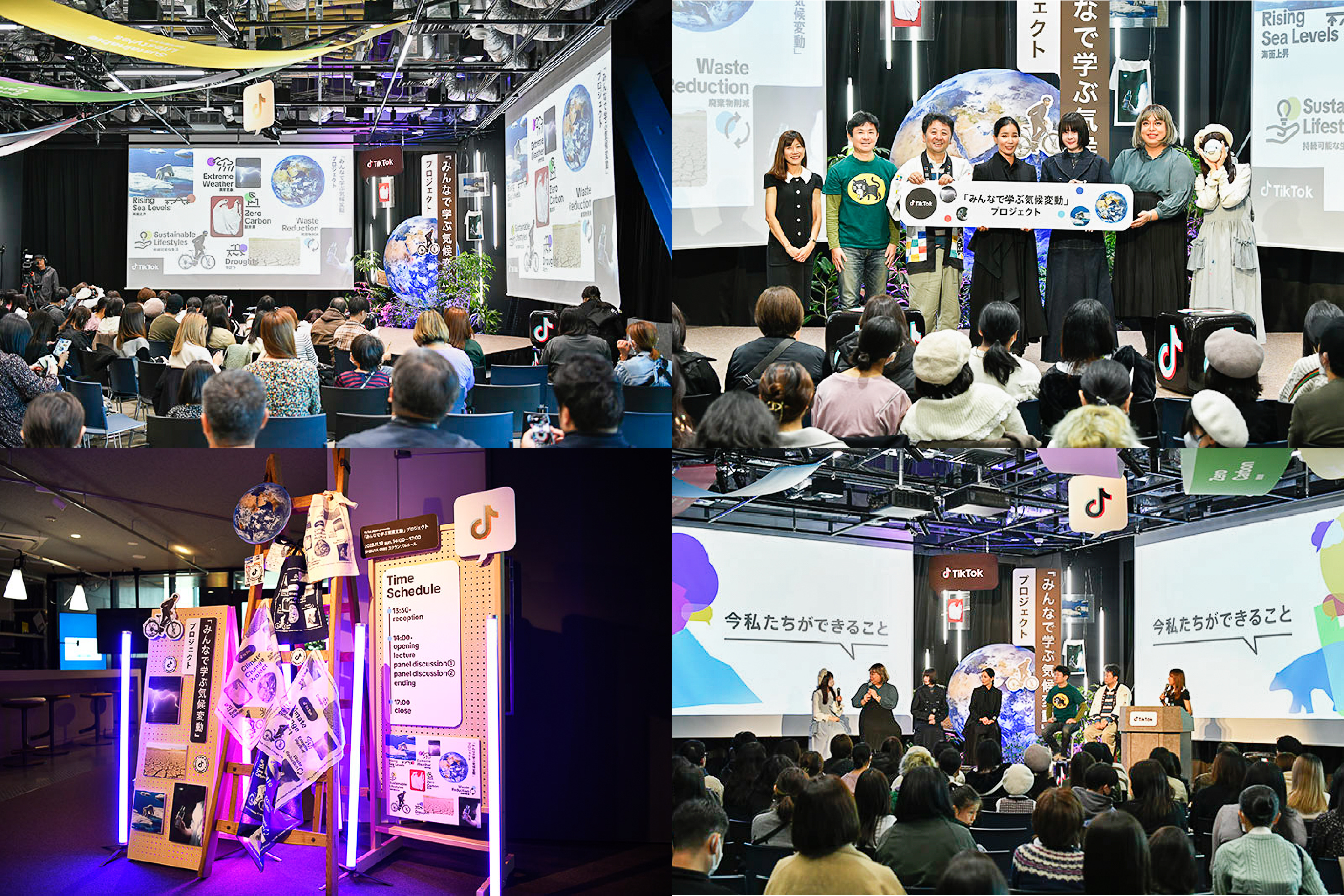
A talk event on climate change hosted by TikTok, aimed at a young audience.
Our role
Venue and space design, using sustainable construction and decoration methods throughout.
Why it was built this way
An event about the environment that is built from disposable material undermines its own argument before anyone speaks. The constraint was to keep the space engaging enough for a young audience while the materials themselves stayed consistent with the subject.
What these have in common
None of them were a single deliverable, and in none of them was the question whether the creative was good. These are strong brands with strong assets.
The question was whether the parts would add up in a different market — what carries over, what has to be rebuilt for Japan, and who holds the whole thing together while it is made.
Planning something similar?
Tell us what you are trying to do in Japan, and we will tell you what we would do first.